Questioning techniques help the reader to clarify and comprehend what he is reading.
Good readers are filled with questions . It is those questions that drive them to seek answers, keeping their minds in the book.
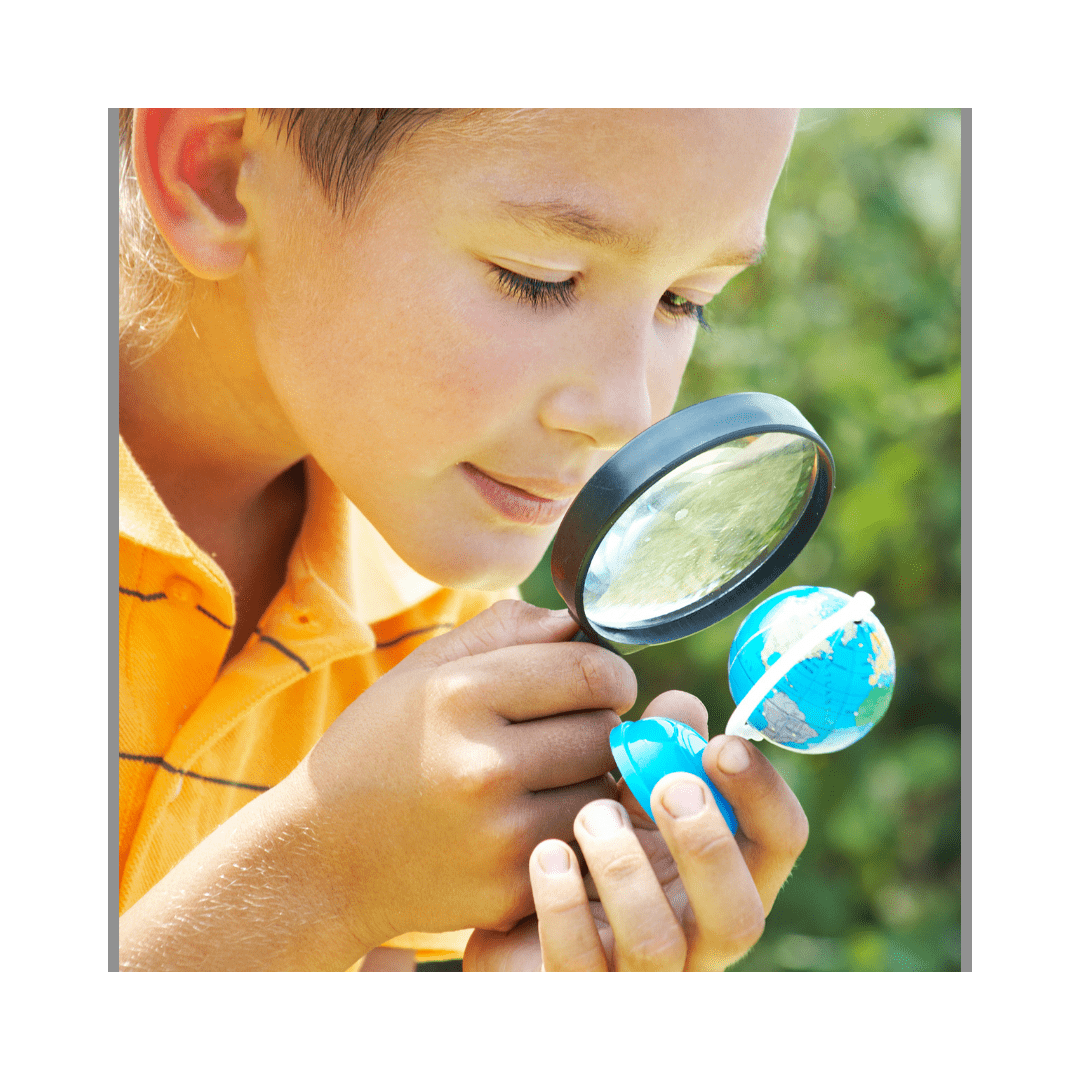
Do you remember that natural curiosity your child had before he was school age?
Mom what is that? Dad why…, but why? It seemed in those days that the endless questions would never stop.
Your child’s natural curiosity is exactly what is needed to improve their reading comprehension.
Curious kids are engaged readers.
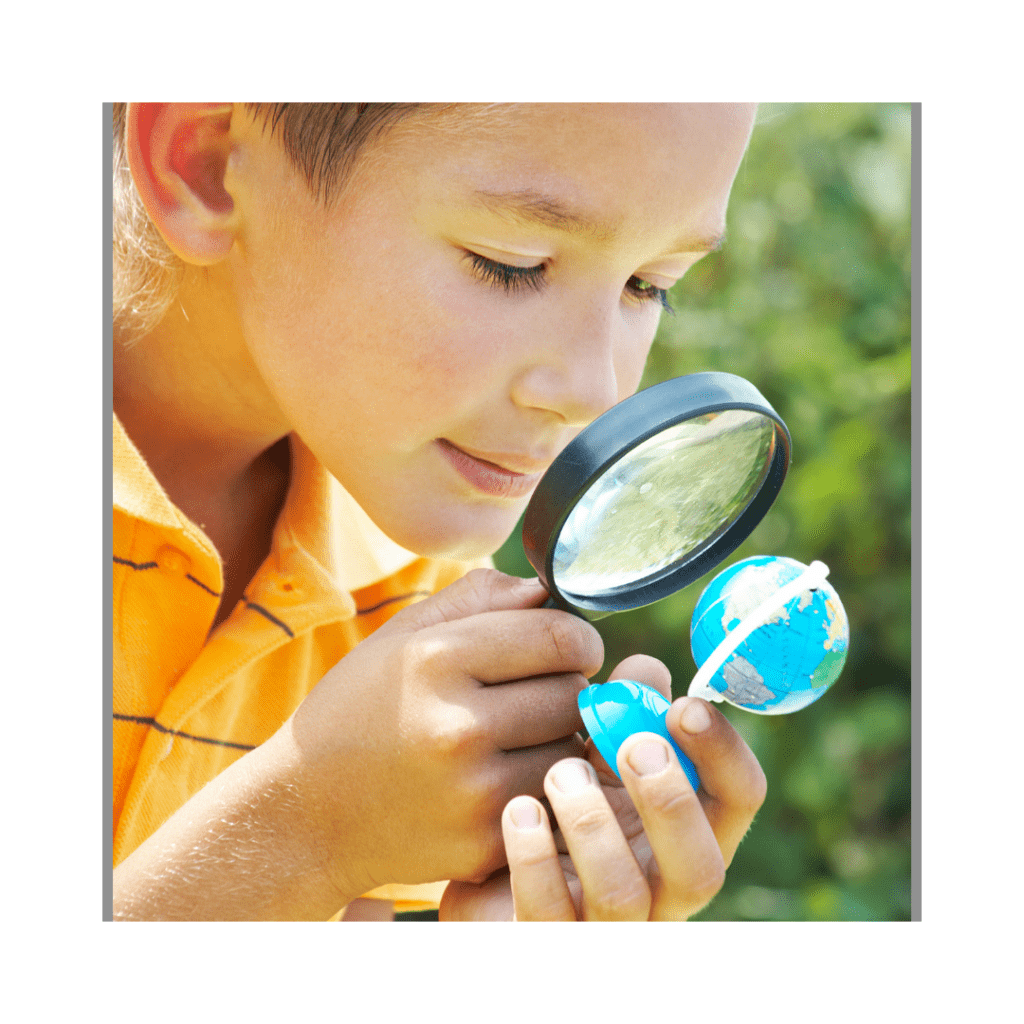
“The important thing is to not stop questioning.” (Albert Einstein)
Unfortunately, a child’s natural curiosity continues to diminish in school. Research tells us that once a child enters the 5th grade, a child is no longer questioning, but rather waiting to be given the answer.
Historically, the school system focused too heavily on getting answers, and the teachers did not encourage kids to prove their thinking by explaining the how and why of their answer.
Currently, kids in school still rely heavily on rote memorization.
Getting students to think critically and dig deeper into their reading is a skill that needs to be explicitly taught. By helping your child become a strategic reader by asking questions is one of the ways to build their reading comprehension skills.
Questioning helps children engage with the text.
Questioning is powerful. Questions open minds, foster critical thinking, and clarify confusion.
It puts the child in charge of his or her own learning. Children build confidence when they realize that their questions matter and are an essential part of the learning process.
Here are 3 tips to foster your child’s natural curiosity to improve their reading comprehension
- Ask questions before, during and after reading.
Before Sample Questions:
What do I already know about this topic?
What do I need to know?
During Sample Questions:
Huh? Does this make sense?
What do I still need to know?
After sample Questions:
What is the author trying to teach me?
What is something you would ask the author?
There are plenty of before, during and after sample questions out there to use while reading to encourage your child to ask questions.
2. Make use of the stop-and-jot strategy. Post a sticky note next to the text with your question. When you find the answer, go back and find the question. Stick the note next to the answer. Remember not all questions will be answered.
3. Plan to research some of your unanswered questions. This does not mean write a research report. Instead, take the time to further explore a topic in your reading by watching a video clip, looking up a vocabulary word and finding its synonym or antonym, and finding other materials to read about the topic.
Asking questions may seem simple to us adults, but your child will need your modeling and plenty of opportunity to practice. It is helpful to use sentence stems as your child is learning this reading strategy.
Additionally, you will want to explain the difference between thin and thick questions so they will have experience using both.
So, pick up a book and read together. As you read, your child will be amazed at the questions you generate.
And, if you feel your child would benefit from online reading sessions, I can help.
